Messing about in boats since 1975. Online Since 1997.
Home | Intro | Our Design Process | Stock Design Info | Motor Yacht Designs | Sailing Yacht Designs | Prototype Designs
Plans List | Articles | Our CAD Design Stream | Maxsurf | SITE MAP..! | Site Search | Design Team | Contact Us
Please see the AVAILABLE BOAT PLANS web page
The 44' Schooner
'REDPATH'
Sail Plan | Interior | Deck Plan
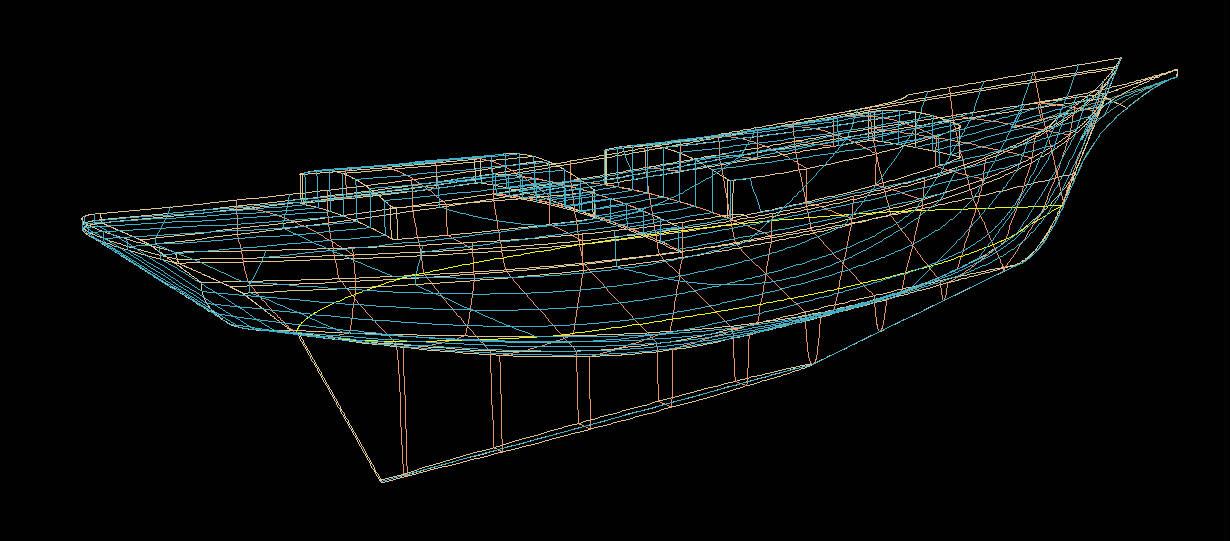
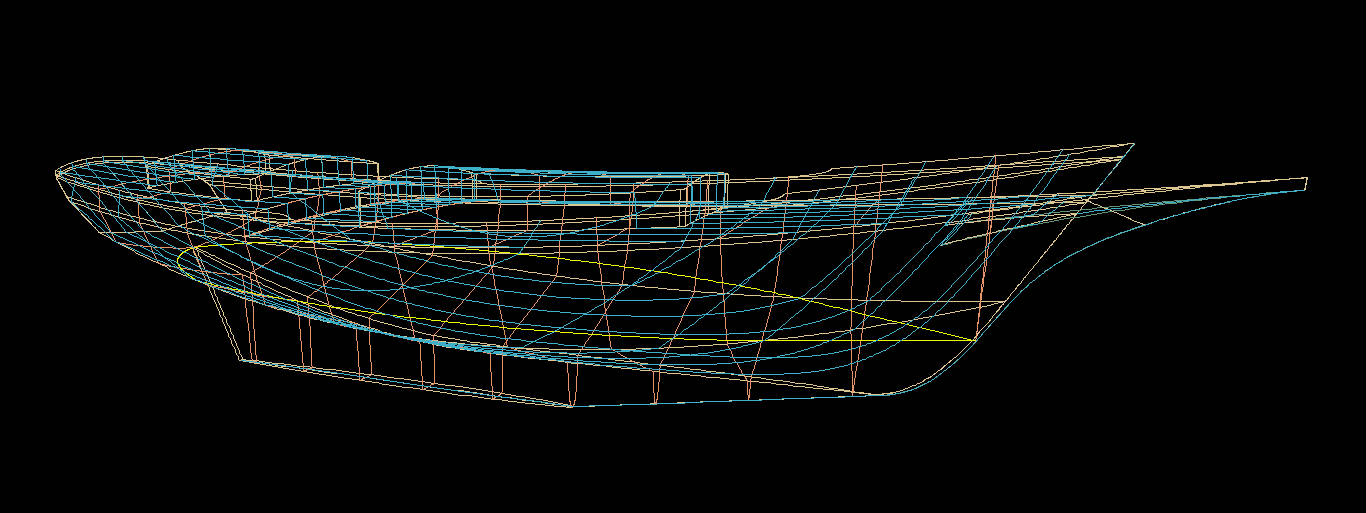
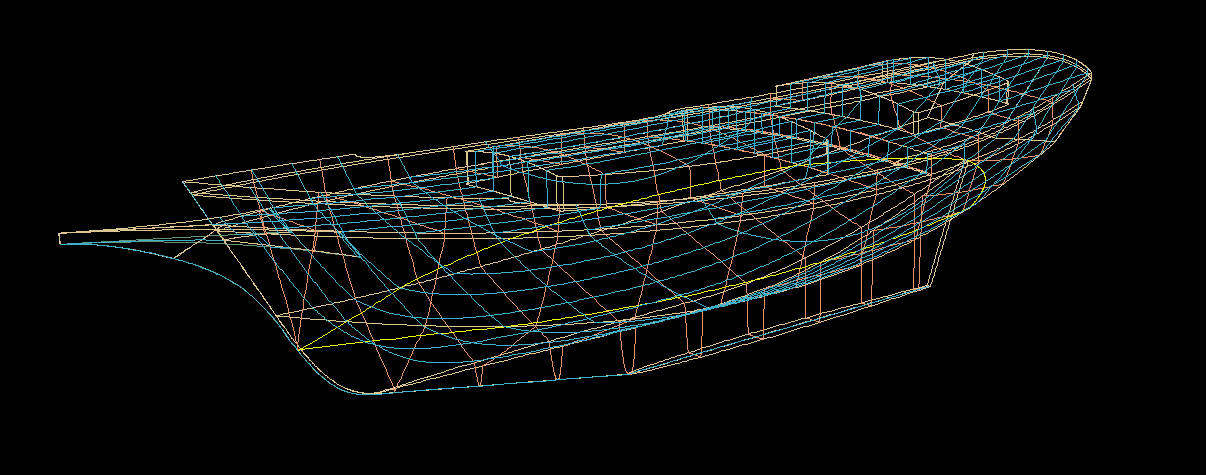
Starb'd Aft Lines | Starb'd Forward Lines | Port Forward Lines
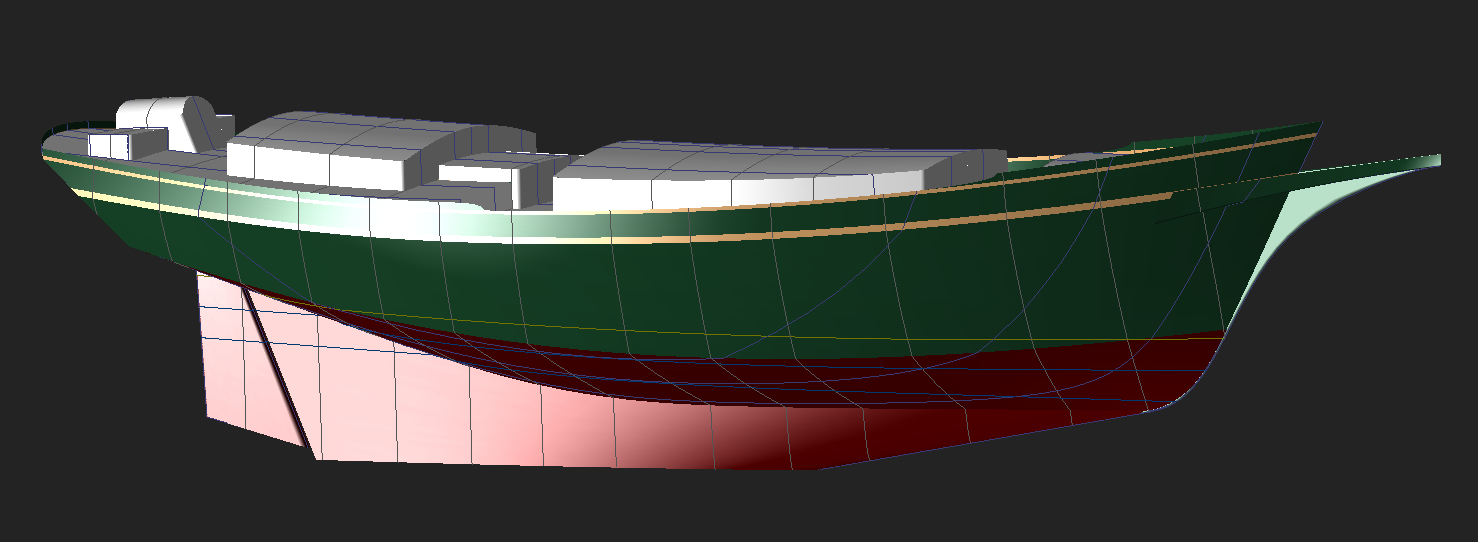
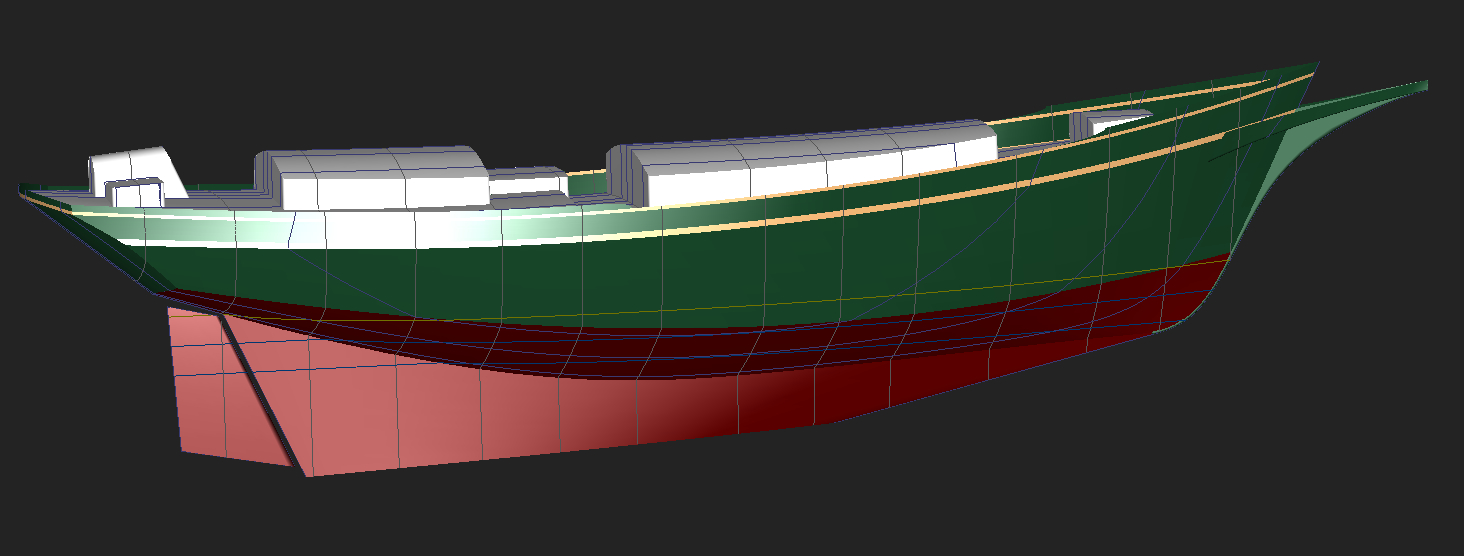
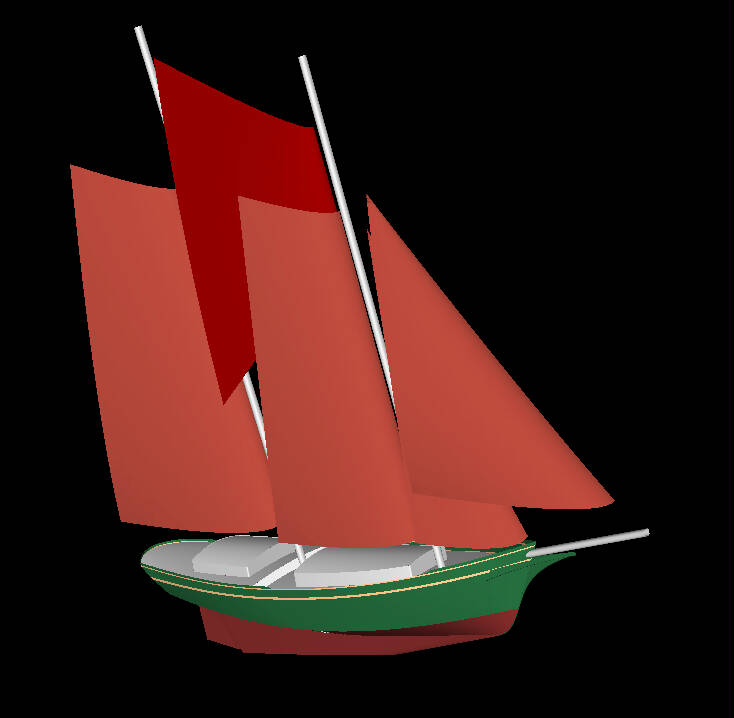
Perspective Forward | Perspective Aft | Sail Plan PerspectiveRedpath Interior Photos - Very Nice...!
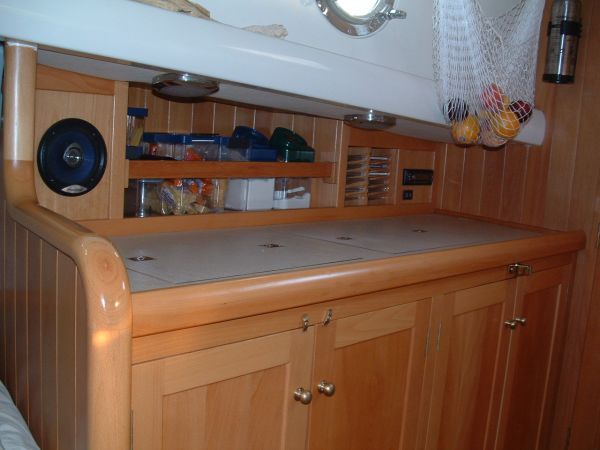
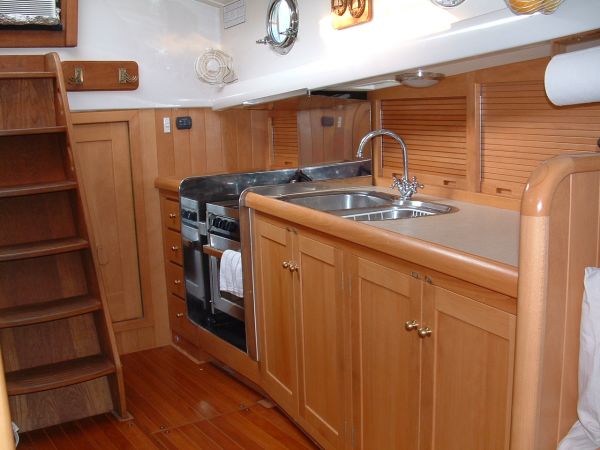
Galley Port Side | Galley Starb'd Side | Forward SetteeGeneral Concept
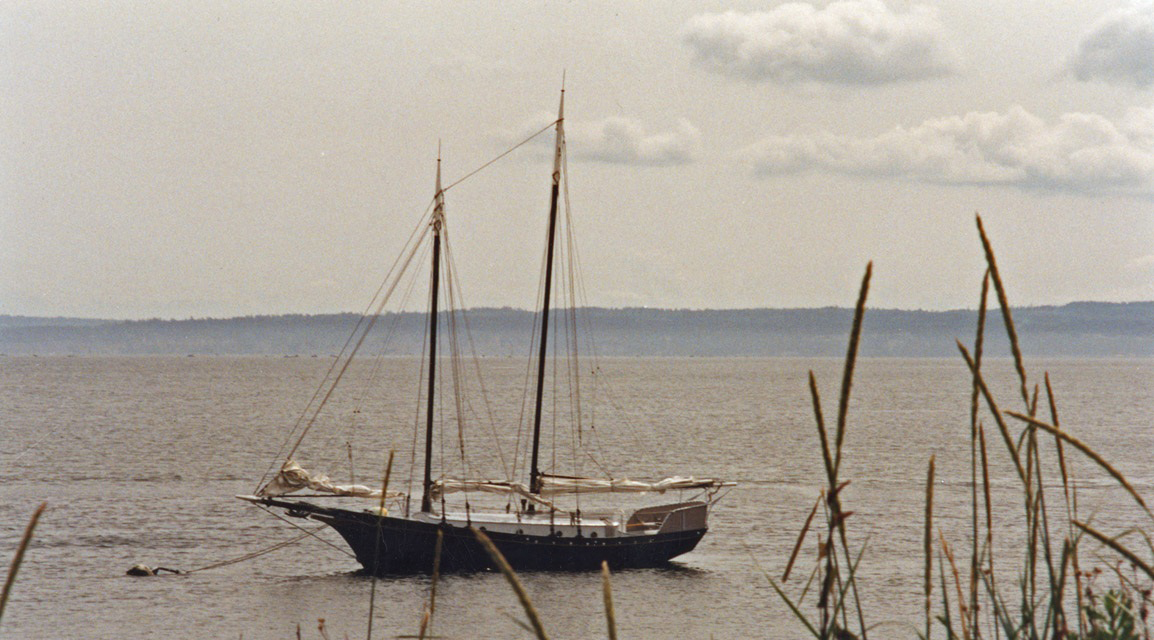
Redpath is an excellent example of the style I refer to as "Modern Classic." By this I mean that Redpath is functional and practical yet brings forth a good dose of traditional elegance. Redpath is my own ideal boat for living aboard and traveling the waters of the world.
One's choice of boat might best be distilled to a question of lifestyle. If we are cruising, a boat is our home. The boat is not only a statement of what we feel is important -- it is where we live.
Redpath is designed to deliver her crew in style and in comfort into the nooks and crannies of the world into which she may poke her bowsprit. Following the links above, we observe a vessel which is both practical and unique. One that will be able to handle long passages in safety and comfort. One that will easily accommodate a couple and the friends who may come along in a grand style.
In creating Redpath, simplicity and ruggedness were emphasized. Ruggedness is for the sake of safety and is achieved by using steel or aluminum for the hull, deck, and cabin; and by using aluminum pipe for the spars. Can a boat possess both ruggedness and grace at the same time...? I say, "Yes absolutely!" In the case of Redpath, grace is achieved via a good dose of traditional styling.
Since it is primarily the degree of complexity in a boat that determines the vessel's cost and the amount of time one must eventually spend on maintenance, simplicity is its own reward. Simplicity in this case applies not only to the type of vessel but also to the hull shape chosen.
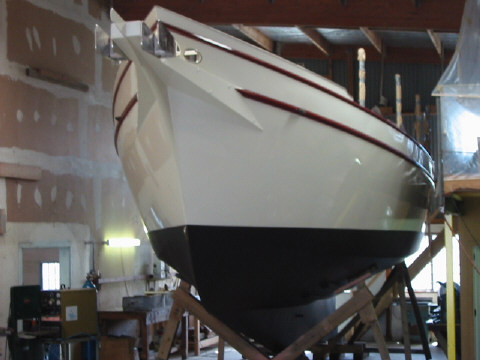
For example, in metal a single chine hull is by far easier and less costly to build than one with multiple or radius chines. As you will see by following the links to the images above, a single chine can also look very appealing, especially when used in a traditional style.
As with any boat the key ingredient is good design. There being no aesthetic penalty to the use of a single chine hull form, especially when using a traditional approach to styling, I nearly always favor the single chine hull shape for its honest appearance and extreme ease of construction. After all, metal is a sheet material, and may as well be taken advantage of as such.
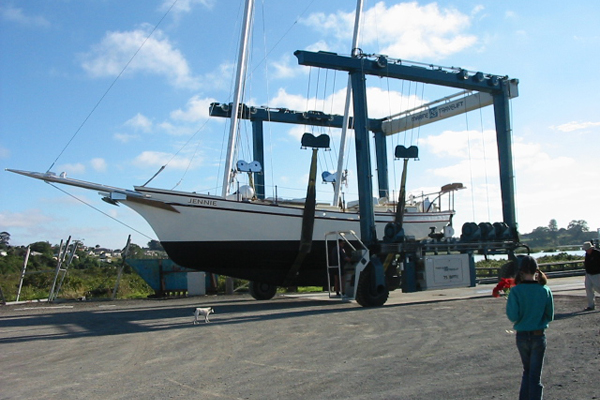
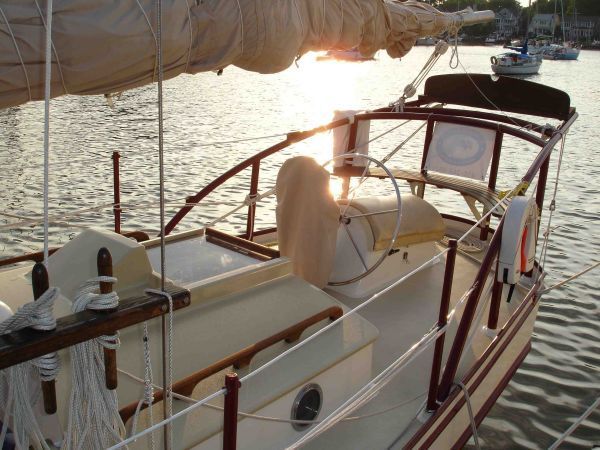
Redpath In the Shop | Redpath at Launch | Redpath Aft Deck
Hull Form
Originally designed to be my own vessel, Redpath was inspired by a few other boats, combining their best attributes. Many notions came from my own 34' schooner Emerald (also shown in the sketch at the bottom of the Sail Boats page); other ideas came from the 49' classic Noank well-smack, Emma C. Berry now fully restored at Mystic Seaport; and yet other attributes came from the following considerations...
After having lived aboard Emerald for a while, it became my wish to have more interior space, a private sleeping cabin, and a dedicated separate engine room. The main requirement was to achieve these features in a simple and rugged design for the sake of economy, longevity, ease of building, and easy maintenance. Therefore I chose a single chine hull form, all metal construction, aluminum pipe for spars, and a simplified gaff schooner rig.
Having sailed boats of this type on various inshore, coastwise, and ocean passages, I'm thoroughly convinced of the benefits of a simple schooner rig, and the single chine hull form. Per my own experience during various sailing races, it is obvious that there is no penalty whatever in terms of speed with the single chine hull form.
As can be seen from the perspective views at the above links, Redpath has a long fine run. She will track well, she'll be fast, and she will be capable to windward. Her 'cruising keel' is a NACA foil section for high lift / low drag. The keel profile is optimized for cruising. Off-wind steering will be steady, and windward sailing will be enhanced by the raked forefoot and by the deeper keel when compared with the two vessels from which Redpath was inspired.
At first glance the styling of Redpath may seem to be somewhat old fashioned. However, modern materials are used wherever they provide an advantage in terms of cost, ease of construction, strength, and simplified maintenance. The hull, decks and cabin are all metal. The gaff rig takes advantage of high aspect sails having short gaffs, and all aluminum spars. The keel is a NACA foil shape for maximum lift and minimum drag. An optimum combination of the modern, with the classic...
In all, the vessel is sleek and fast. As a bonus, Redpath's appearance will turn heads and earn compliments wherever she sails.
Particulars
Displacement of Redpath should vary from around 30,800 pounds lightly loaded to a full load displacement of around 34,500 pounds with tanks full, crew, gear, stores aboard, and the boat ready for a passage. Other particulars are:
- LOD: 44' - 0"
- Beam: 12' - 10"
- LWL: 35' - 0"
- D/L Average: 330 @ DWL
- Knockabout Rig - Working Sail Area: 990 sq. ft.
- Knockabout Rig - All Sail Area: 1,213 sq. ft.
- Modified Stays'l & Jib Rig - Working SA: 1,144 sq ft
- Modified Stays'l & Jib Rig - All Sail Area: 1,367 sq ft
Interior
A requirement for the interior layout above all else is to have comfort. The interior should allow plenty of room for favorite activities, avocations, or hobbies. These qualities are ordinarily achieved by careful planning and by a look at the type of travel that is being planned.
Aboard Redpath, a deeper sense of comfort will come from knowing there is a safe and seaworthy vessel under foot; from having one's preferred activities close at hand; and from the seemingly small details such as how the lanterns are located in order to provide good lighting for cooking and reading. Redpath is designed to be a platform from which to stage an ocean expedition, as well as to simply be one's home and refuge. The overall goal is to provide an on-going sense of pleasure and well being.
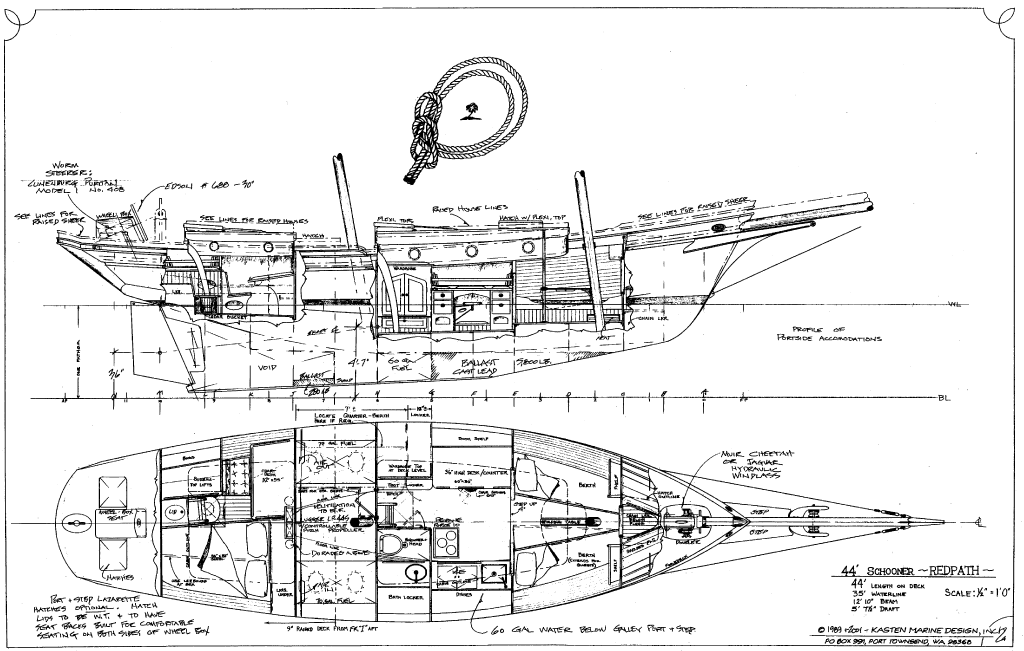
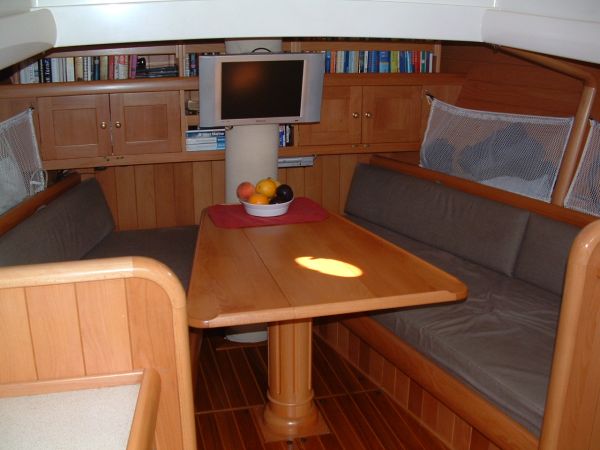
Below, the settee is located right forward in order to provide a "dead end" spot to relax which is out of the main traffic pattern, and to also provide two good pilot berths. No one need be disturbed by someone else needing to pass by. The settee table is hung off the fore mast, for a generous dining area.
The galley is quite large, extending both to port and to starboard. To port, the galley surface doubles as a day office / study area. The sink, ice chest and range are to starb'd.
Aft of the galley is a head to starb'd and a bureau / hanging locker to port. There is an option shown allowing a quarter berth to be placed to port by shortening the hanging locker some, and extending the berth aft from there. Without the quarter berth, there is a more generous hanging locker and considerably more space in the engine room.
Without the quarter berth, the engine room spans the full width of the vessel and is closed off by two full bulkheads. The intent is that engine noise, heat, and odors are completely separated from the living spaces. Thorough sound attenuation is a high priority for the inevitable periods spent motoring.
Check out these interior photos showing the Galley Port Side, the Galley Starb'd Side, and the Forward Settee / Saloon area - and interior built to a very high standard indeed.
The Schooner Rig
Many may question the choice of a gaff schooner rig in light of the requirement for simplicity. Please read through my essay on The Ideal Sailing Rig for the complete rationale.
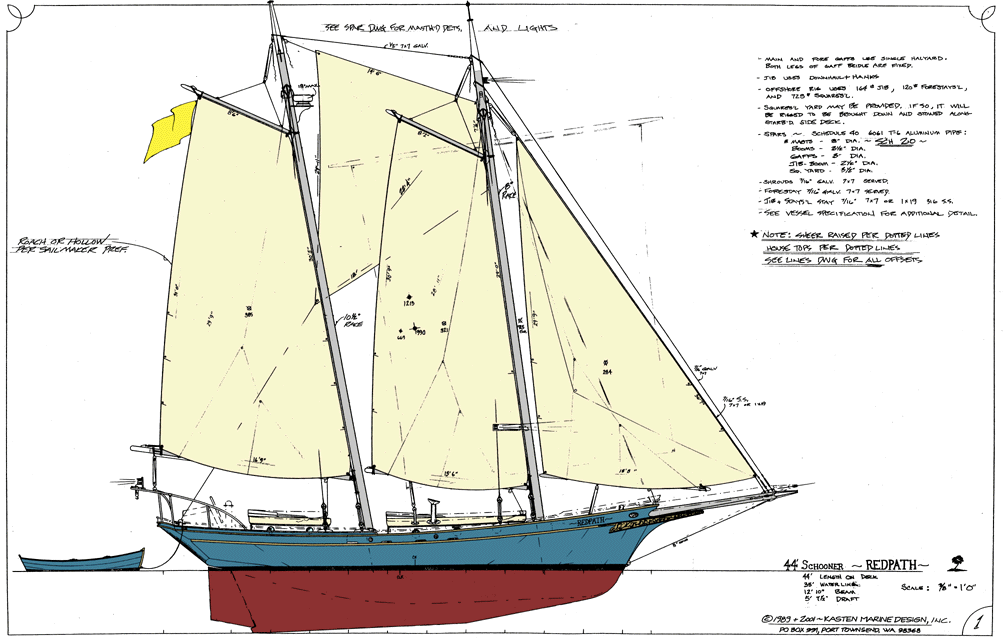
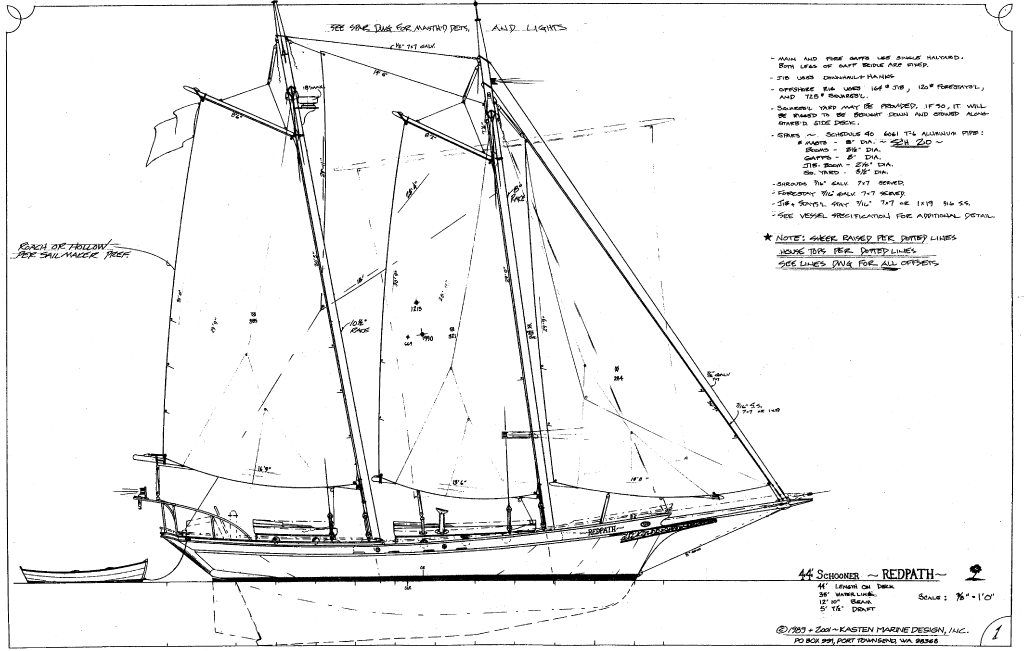
The schooner rig designed for Redpath is surprisingly simple. For example, the gaffs are short so that a single halyard serves each of the fore and main gaffs; in the "knockabout rig" all three working sails are self tending; there are no topmasts or spreaders or excess rigging to clutter one's life; the single fisherman tops'l is easily handled.
With the exception of the fisherman topsail, the rig drawn for Redpath is all self tending. I refer to this as being an "inshore" rig, since it is easy to handle in tight quarters. The jumbo jib as shown above is intended to be modified for offshore sailing and passage making by the use of an outer jib in combination with a boomed stays'l. This adds 154 sq ft of sail area, yielding the "modified" sail areas listed above. Since the extra sail area is added forward, weather helm in strong winds is reduced. A further benefit of the split headsail rig is added support to the fore mast via the additional headstay, a greater number of sail combinations, the rig being contained with the outer jib struck, and the option of using sheet-to-tiller self steering.
This simple configuration has become the basis for nearly all of my schooner designs.
In order to achieve sufficient area and to have the correct balance, the sails have all been given a generous roach, not only at the leech but also at the foot of each sail. This is important not only to achieve the intended sail area, but also a deep roach to the foot of a sail has been proven to be more efficient.
A deep roach at the foot of sails is not used by racing boats because a similar effect can be achieved my introducing an "end-plate" at the bottom. This is achieved by lacing the foot of the sail to the boom, creating an "air dam" thus boosting the effectiveness of the rest of the sail (to windward) without suffering the rating penalty that would result from having more sail area. It must be kept in mind that this end-plate "trick" is only effective to windward, and that it results in a substantial reduction in sail area, thus actually reducing performance on all points.
Traditional Dutch yachts know the benefits of using a deep roach at the foot of their sails, as do many traditional sailing vessels throughout the Caribbean. Elsewhere, it can take quite a lot of "convincing" to get sail makers to provide a sufficiently deep roach to a loose footed sail, but it is very worthwhile to insist...
This is after all not a round the buoys weekend race boat so the added sail area will not result in a penalty... Since Redpath is a voyaging yacht, the added sail area is quite a bonus...!
A gaff schooner is able to spread more sail area per height of spars than other rigs. The sail area can therefore be very generous without becoming a burden to the vessel's sail carrying ability. Performance with this combination is sufficient to do without the usual variety of light weather sails. The fisherman tops'l is a simple addition and is a real work horse. The fisherman is easy to handle and it is located 'up in the wind' where it can really do some pulling! It can also be easily struck in order to bring the sail area lower down.
The two gaffs are kept short to maximize luff length, eliminate gaff tops'ls, and to permit the use of single halyards. On my schooner Emerald I arranged the sails this way and it works great. The result is better windward performance and substantially less rigging.
The rake of the masts keeps the booms out of the water when sailing off the wind; makes lowering sail very easy; and the fore masthead is above the cabin top for loading a tender there. The sails are laced to the mast using a "forth and back" lacing line so that there is no need for sail track, and the sail never binds. Loose footed sails permit more sail area and avoid any side load on the booms. The booms are then a simple strut, allowing them to be both lighter and easier to handle.
The spars are all aluminum pipe. When painted, there is little to distinguish them from wooden spars. The aluminum pipe is considerably stronger than wood, is about the same weight as a solid wooden spar, and does not rot. All mast fittings are fully welded in place, so overall cost is less to fabricate than would be the numerous fittings for a wooden spar. These aluminum pipe spars will last longer and require less maintenance than any other spar material.
Power
Redpath has a dedicated engine space amidships with full bulkheads forward and aft of it. This will permit very effective sound attenuation, will allow proper engine space ventilation. The result is very effective containment of the noise, smell, and heat of the diesel engine.
As an auxiliary sailing vessel, adequate power will be in the range of between 30 hp and 45 hp, using a marine continuous rating. Or Redpath can be made into more of a motor sailor by simply adding more power. As a true motor sailor, power will ideally be in the range of around 70 hp continuous. Although greater tank capacity might be desired, Redpath will perform best if not burdened by an overly large fuel load. For ocean passages it is therefore expected that the sails will act their part.
Summary
Redpath embodies my ideal notion of a blue water cruising boat in every respect. Redpath is small enough so that one can afford to build her yet large enough to provide privacy and comfort below. She is absolutely beautiful, and will be quite easy to care for. As a passagemaker, her performance will be excellent.
What more can you ask?
Please see the AVAILABLE BOAT PLANS web page.
Home | Intro | Our Design Process | Stock Design Info | Motor Yacht Designs | Sailing Yacht Designs | Prototype Designs
Plans List | Articles | Our CAD Design Stream | Maxsurf | SITE MAP..! | Site Search | Design Team | Contact Us